The Art of High-THC Cannabis Extract: A Guide to Potency and Purity
What Makes a High-THC Cannabis Extract Stand Out?
After years of dabbing and testing different concentrates, I have come to appreciate what separates a truly potent high-THC cannabis extract from something that just looks strong on paper. It is not just about the numbers on a lab test. The real difference comes down to how the extract is made, what raw material you start with, and how carefully the final product is handled. For anyone who values a clean, powerful experience, understanding these details matters more than just chasing the highest percentage.
When I first started buying concentrates, I assumed that any extract labeled as high-THC would deliver the same effect. That was a mistake. I have tried wax from the same strain but made by different processes, and the results were night and day. A well-made budder from a quality indica strain, for instance, can hit harder and last longer than a poorly refined extract with a slightly higher lab number. The reason lies in how the cannabinoid profile and terpenes survive the extraction process.
Solventless vs. Solvent-Based Extraction
The most important choice in making a high-THC cannabis extract is whether to use solvents. Solventless extraction, as the name suggests, uses only mechanical methods to separate the resin from the plant. Rosin pressing is the most common example. You apply heat and pressure to flower or hash, and the resin oozes out. The result is a clean, flavorful concentrate that preserves the full terpene profile. The downside is that yield is lower, and you might not hit the absolute highest THC percentages because some lipids and waxes remain.
On the other hand, solvent-based methods like CO2 extraction or butane extraction can pull more cannabinoids from the plant material, often producing a more potent final product. CO2 extraction uses pressurized carbon dioxide to strip the plant of its oils and resins. It is efficient and leaves no toxic residue when done right. But it can also strip away some of the lighter terpenes, altering the flavor and the entourage effect. I have tried CO2-extracted concentrates that were incredibly strong but tasted flat compared to a well-made live resin or budder.
Flash Chromatography and Winterization
For those who want to isolate specific cannabinoids or achieve a near-pure THC distillate, techniques like flash chromatography come into play. This is a laboratory-grade method where a mixture is passed through a column filled with a stationary phase, separating compounds by how fast they travel. It allows producers to remove impurities and unwanted cannabinoids, resulting in a very pure high-THC cannabis extract. The trade-off is that this process can strip away the minor cannabinoids and terpenes that give each strain its unique character.
Winterization is another common refinement step. After extraction, the concentrate is mixed with ethanol and cooled to subzero temperatures. Waxes and lipids solidify and can be filtered out. This leaves a cleaner product that is easier to dab or vaporize without leaving residue in your dab rig or vaporizer. I have found that winterized concentrates tend to produce smoother hits, though they sometimes lose a bit of the body of the original resin.
Live Resin vs. Budder: Texture and Potency
One of the more interesting developments in recent years has been the rise of live resin. Unlike standard extracts that use dried and cured plant material, live resin is made from freshly harvested plants that are flash-frozen immediately after harvest. This preserves the volatile terpenes that would otherwise degrade during drying. The result is a concentrate that tastes remarkably close to the living plant. I once tried a live resin from a sativa strain called Green Crack, and the citrus notes were so bright they felt almost carbonated on the tongue. The potency was also impressive, with lab testing showing over 80% total cannabinoids.
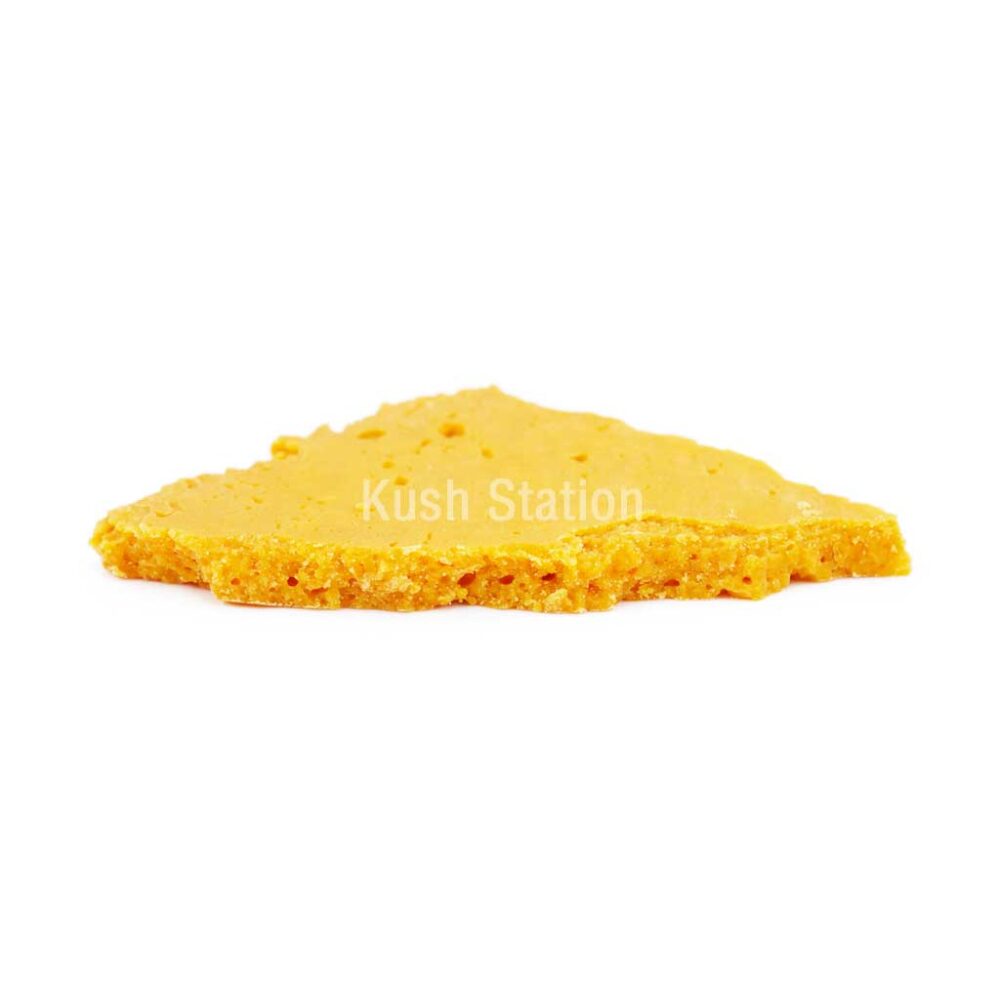
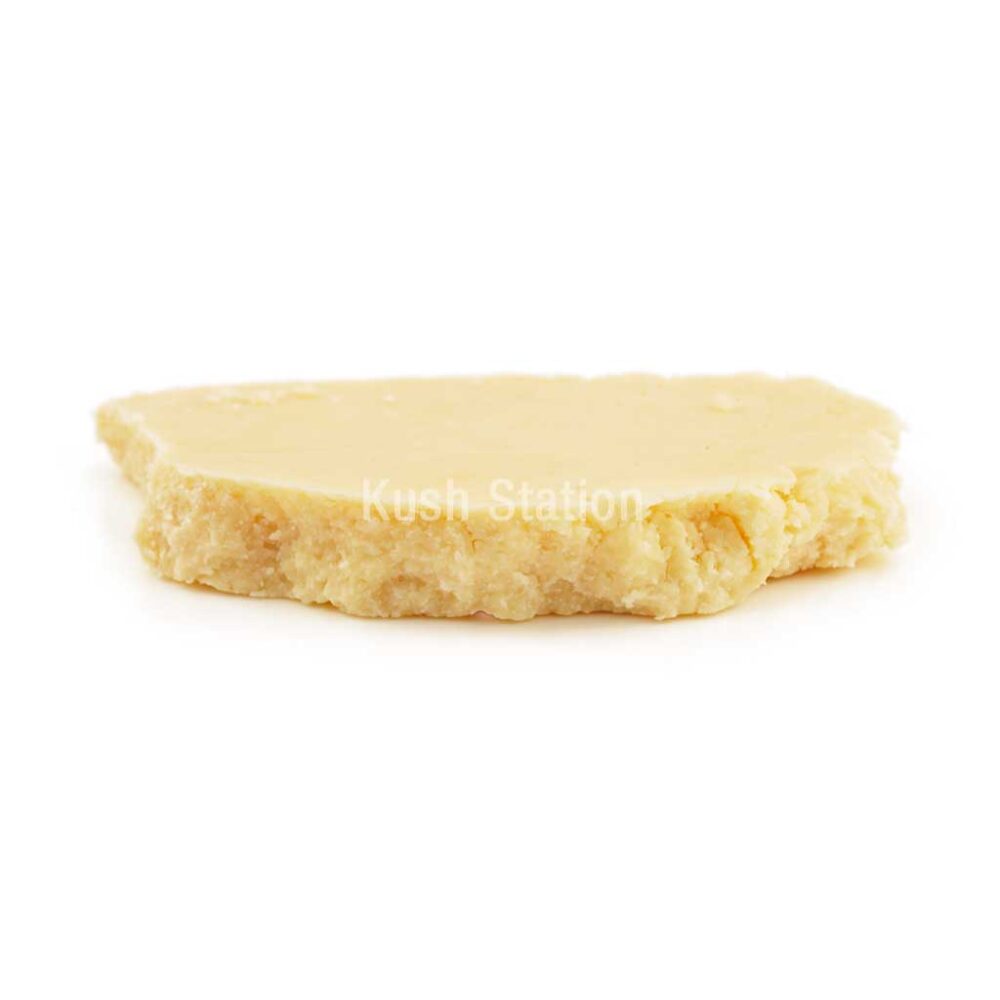
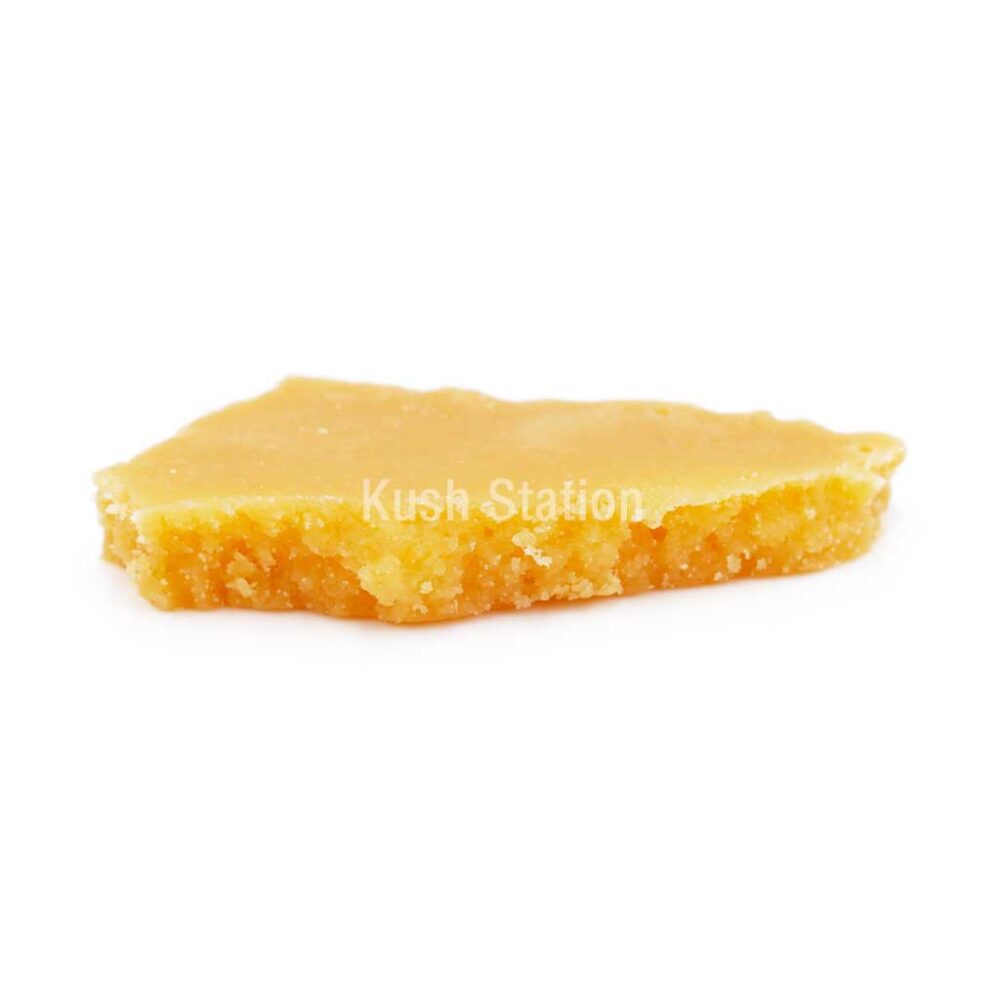
Budder, on the other hand, is a type of wax that has been whipped during processing to create a smooth, butter-like consistency. It is often made from high-grade trim or whole-plant material and can be either solventless or solvent-based. The whipping process incorporates air, which can make the concentrate appear lighter in color and easier to handle. I have found that budder tends to be more forgiving in a dab rig, melting evenly and producing consistent vapor. For someone new to dabbing, budder is a good place to start because it is less runny than live resin and less sticky than traditional wax.
Lab Testing: The Only True Measure
No matter how good the process or how fine the texture, the only way to know what you are getting is through lab testing. A reliable high-THC cannabis extract should come with a certificate of analysis that shows the cannabinoid profile, including THC, CBD, and minor cannabinoids. It should also test for residual solvents, pesticides, and microbial contaminants. I have seen products that claimed to be over 90% THC but smelled like butane when heated. Lab testing would catch that.
When I look at lab results, I pay attention to the ratio of THC to other cannabinoids. A high-THC extract that also contains CBD and CBG can produce a more balanced effect, reducing anxiety or paranoia that sometimes comes with pure THC. For example, an indica-dominant hybrid strain with a moderate amount of CBD might be more relaxing than a sativa with no CBD at all. The entourage effect is real, and a good extract respects that.
Dabbing and Vaporizer Tips
How you consume your high-THC cannabis extract matters as much as how it was made. For dabbing, a quartz banger on a dab rig is my go-to. I heat it to around 500 degrees Fahrenheit, let it cool for about 30 seconds, then drop the concentrate in. Too hot, and you risk decarboxylation, which destroys terpenes and creates harsh vapor. Too cold, and the extract just pools without vaporizing. A temperature gun helps, but after a while you learn to judge by the sizzle.
For those who prefer a vaporizer, look for devices that can reach the necessary temperatures for concentrates. Many dry herb vaporizers come with a concentrate pad or a separate chamber. The key is to use a small amount and clean the device regularly, because residue can build up and affect flavor. I have found that budder and wax work well in vaporizers, while live resin can sometimes be too sticky and require more frequent cleaning.
Strain Selection: Why It Still Matters
Even with a high-THC cannabis extract, the strain genetics play a huge role in the experience. Indica strains tend to produce more of a sedative, body-heavy effect, while sativa strains are more uplifting and cerebral. Hybrid strains can offer a mix of both. If you are looking for pain relief or help sleeping, an indica-dominant extract is usually the better choice. For creativity or social situations, a sativa might be more appropriate.
I have a friend who swears by a specific hybrid strain for anxiety. It is a cross between a sativa and an indica, and the extract from that strain has a balanced cannabinoid profile that works for him. He tried a different hybrid with the same THC percentage but a different terpene profile, and it made him jittery. The point is that potency numbers are not the whole story. The terpenes and minor cannabinoids are what give each extract its personality.
Final Thoughts on Quality and Choice
Choosing a high-THC cannabis extract is not just about picking the strongest number on the menu. It is about understanding the extraction method, the starting material, and the refinement steps. A good producer will be transparent about their process and provide lab results. Whether you prefer the full-flavor punch of live resin, the smooth consistency of budder, or the purity of a winterized solventless extract, the goal is the same: a clean, potent, and enjoyable experience. Take the time to learn what works for you, and your dabbing sessions will be all the better for it.